In the ever-evolving landscape of live-service gaming, maintaining player engagement is a challenge akin to keeping a campfire burning through a relentless storm. For Capcom's Monster Hunter Wilds, the strategic collaboration with its iconic sibling franchise, Street Fighter, has proven to be a masterstroke, injecting fresh vitality into the game's ecosystem well into 2026. Initially launched in May 2025, this crossover was more than a nostalgic nod; it was a calculated infusion of new mechanics designed to combat player attrition and redefine combat strategies. The centerpiece of this alliance—the Akuma armor set—has transcended its cosmetic origins to become a pivotal gameplay element, offering veteran hunters and newcomers alike a novel way to engage with the game's formidable bestiary.
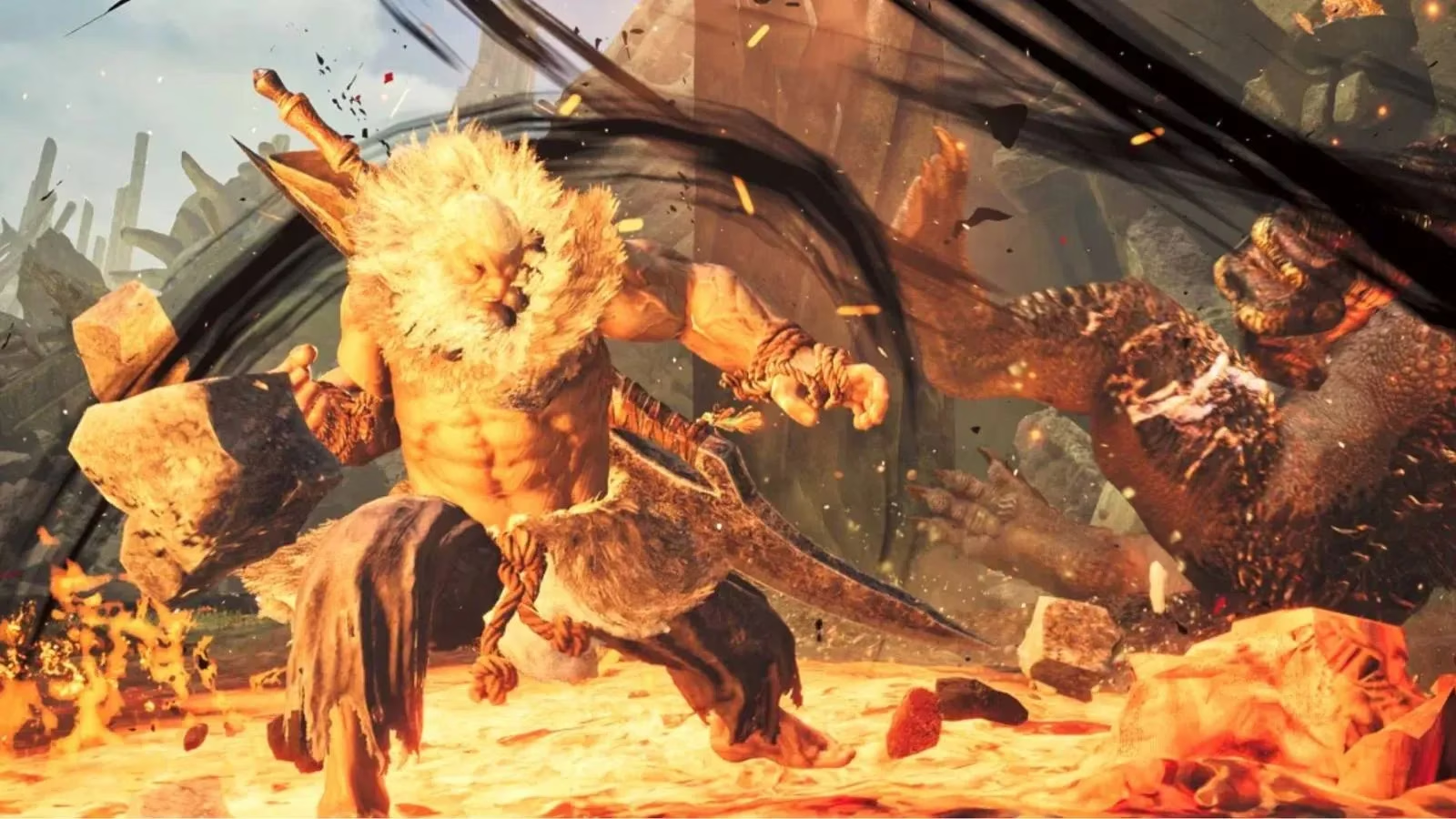
The Akuma Armor: A Fusion of Fighting and Hunting
The Akuma armor is not merely a costume; it is a functional toolkit that bridges two distinct combat philosophies. When hunters equip the full set, they gain access to mechanics inspired by Street Fighter 6's Drive System, fundamentally altering the rhythm and risk-reward calculus of a hunt. This integration allows the armor to operate like a metronome for mayhem, dictating a new, more aggressive tempo in battles against monsters.
Key gameplay enhancements introduced by the armor include:
-
Drive Impact Integration: Parries and powerful counter-attacks that can interrupt monster charges, turning defensive maneuvers into offensive opportunities.
-
Weapon Stun Properties: Adds stunning capabilities to weapons that traditionally lack them, encouraging players to experiment with unconventional loadouts.
-
Assisted Combo Commands: Special item commands that unleash Akuma's signature moves, such as the Gou Hadoken (a fiery projectile) and the Gou Shoryuken (an uppercut anti-air attack), which can be seamlessly woven into existing weapon combos.
This suite of abilities has effectively created a hybrid playstyle, making the hunter less of a methodical predator and more of a duelist in an arena, directly confronting monsters with precise, high-impact techniques borrowed from the world of fighting games.
The Strategic Dilemma: Power vs. Identity
However, this potent new toolset comes with a significant trade-off, presenting hunters with a classic RPG dilemma. To access the full power of the Akuma armor's combat systems, players must equip the entire set as their primary defense, forgoing the statistical benefits and set bonuses of their meticulously crafted endgame gear. The layered armor feature, which typically allows for cosmetic overrides, only applies the Akuma appearance without granting the transformative combat abilities when used over other equipment.
This creates a compelling strategic choice:
| Option | Benefit | Drawback |
|---|---|---|
| Full Akuma Set | Full access to Drive Impact, stun properties, and special moves. | Must sacrifice optimized defense, elemental resistance, and primary gear set bonuses. |
| Layered Akuma Appearance | Retain the visual style and the stats of your preferred armor. | Forfeit all the unique combat mechanics of the collaboration. |
For many players, this decision is as weighty as choosing between a scalpel and a sledgehammer. The armor's power is undeniable, but adopting it requires embracing an entirely new combat paradigm, potentially leaving a hunter feeling as specialized and vulnerable as a deep-sea anglerfish—brilliantly adapted for a specific form of predation, yet exposed outside of it.
Lasting Impact and Community Reception in 2026
Now, nearly a year after its debut, the Street Fighter collaboration's impact on Monster Hunter Wilds is clear. It successfully stanched the player count decline, with periodic surges in activity tied to players mastering the Akuma armor or using it to tackle new post-launch monsters. The armor has carved its own niche in the speedrunning and challenge-run communities, where its high-skill, high-reward mechanics are celebrated.
Capcom has monitored this success closely. The positive reception has set a precedent, acting as a blueprint for future cross-pollination within its own IP library. Rumors and player petitions suggest similar collaborations could bring mechanics from Devil May Cry or Dragon's Dogma into the hunting grounds, further expanding the game's tactical vocabulary.
Conclusion: A Successful Experiment in Synergy
The Monster Hunter Wilds and Street Fighter crossover stands as a testament to Capcom's ability to innovate within its own storied franchises. By moving beyond superficial cosmetics and embedding genuine gameplay DNA from one title into another, they have created a sustainable model for reinvigoration. The Akuma armor is more than a tribute; it is a viable, thrilling, and demanding new way to play. It challenges the hunter's identity, asking whether they are a versatile survivor adapting any tool to the environment, or a dedicated specialist who masters a single, powerful form. As Monster Hunter Wilds continues its journey through 2026, this collaboration remains a bold highlight, proving that sometimes, the most effective way to hunt a monster is to challenge it to a fight. 🎮🔥