For hunters who think the smithy's list is complete, Monster Hunter Wilds has a sly surprise waiting. Beyond the standard monster-derived gear, the game hides 11 secret armor sets that do not come from carving a single large monster. Instead, these sets are tied to support vendors, material retrieval NPCs, and special trading networks — systems that many players might overlook while chasing crowns. As of 2026, these sets remain some of the most fashion-forward rewards in high rank, but unlocking them takes a little detective work. 🛡️
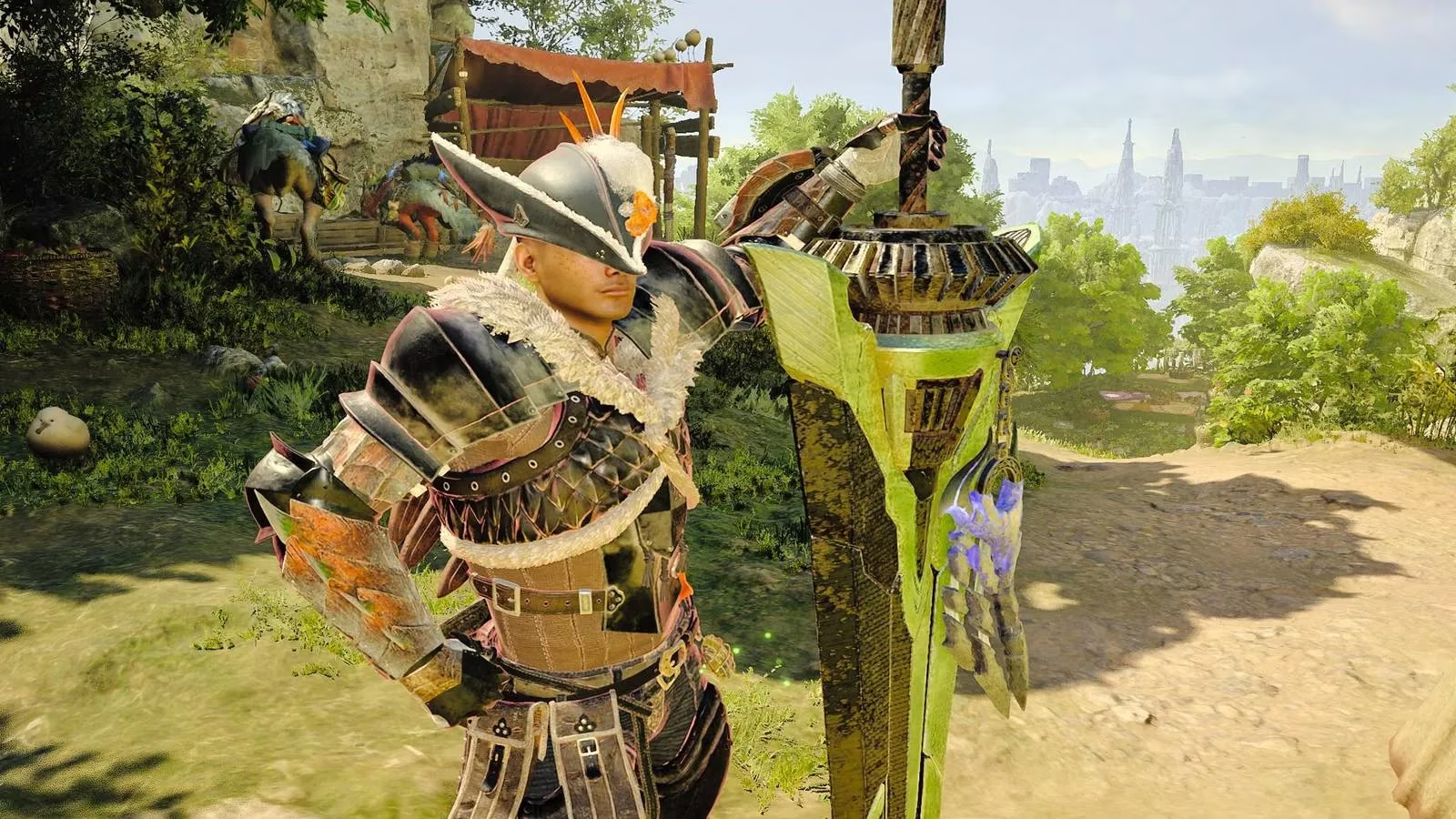
🛠️ The High-Rank Gate
None of the hidden armor sets are available during low rank. Hunters must first push into high rank, at which point Gemma's forge practically perks up with new possibilities. Even then, these 11 secret sets will not show up simply by hunting more monsters. Players need to collect specific key materials — often from sources that have nothing to do with a giant beast dropping to the ground.
That is where the real kicker sits. A player could hunt every monster on the map and still miss half of these sets. The secret armor system rewards explorers who poke around camp vendors, send NPCs on retrieval runs, and trade local treasures. For hunters scratching their heads, the full list is less complicated than it looks.
🚢 The Support Ship and Commission Ticket
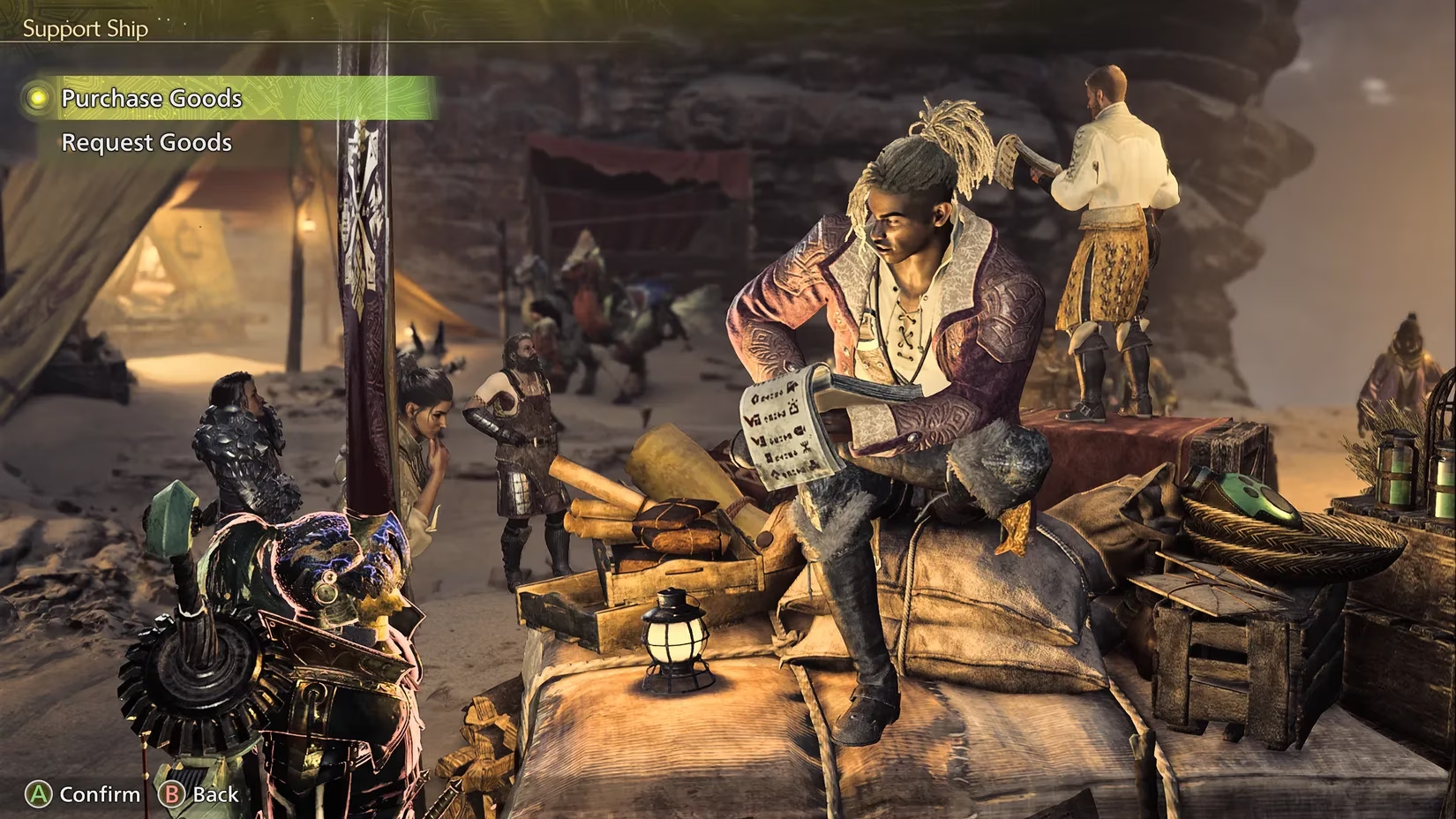
The first secret set comes from the Support Ship, a rotating vendor docked at the base camp in Windward Plains. The ship is a bit of a wanderer — it arrives, offers a changing inventory, and then slips away before returning with new stock. Santiago, the NPC running the ship, accepts Hunter Guild Points for his wares.
One possible item players may find is the Commission Ticket. Once obtained, it unlocks The Commission Armor Set at the smithy. Because Santiago's inventory changes every time the ship leaves and returns, hunters may need to check back multiple times before the ticket appears. There is no guarantee it will be in stock, so patience is part of the hunt.
🌿 Material Retrieval Rare Drops
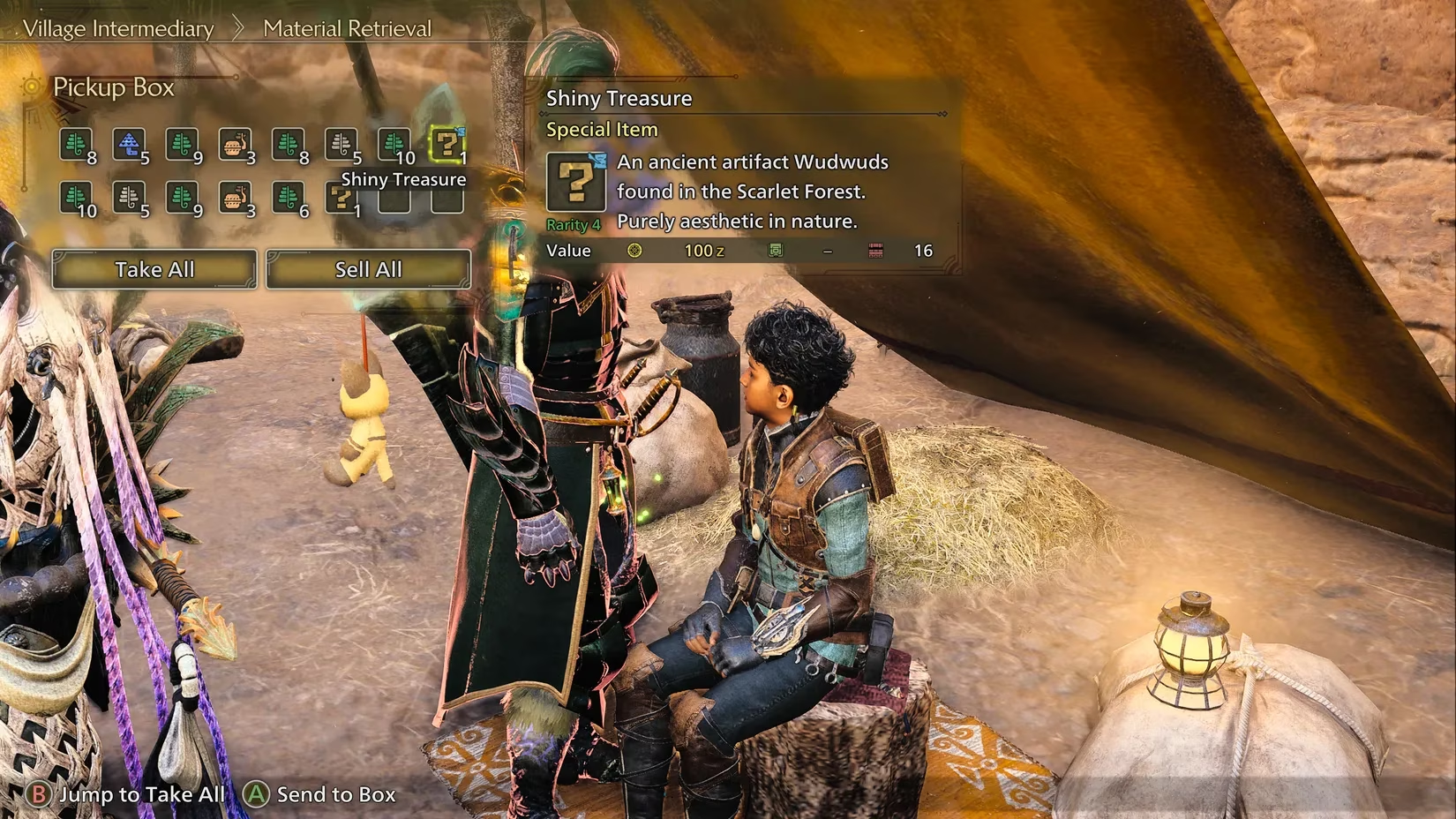
The next batch of secret armor sets relies on the Material Retrieval system. Every locale has at least one NPC who can go out and gather materials on a hunter's behalf. Think of them as personal errand runners with a chance to bring back something special. While they are useful for stockpiling common resources, their rare drops are the key to several hidden sets.
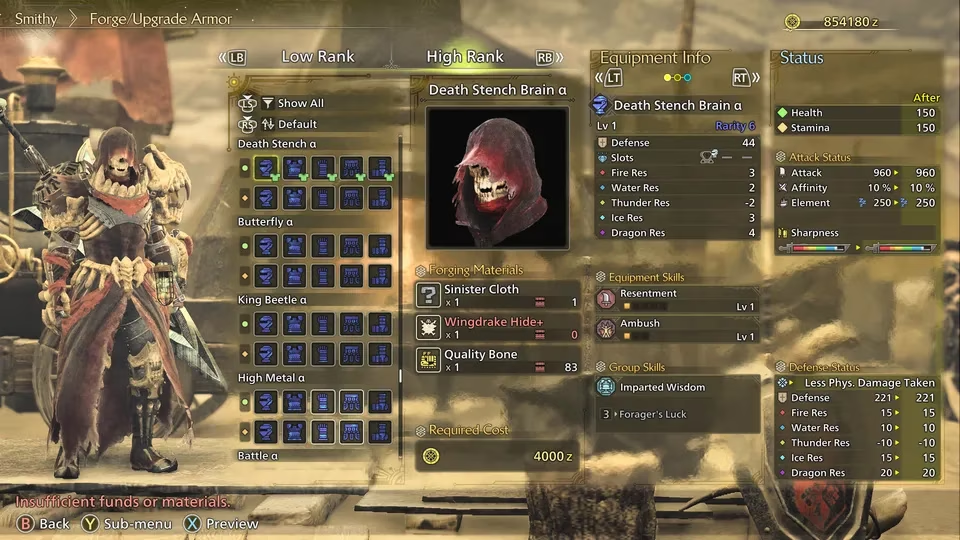
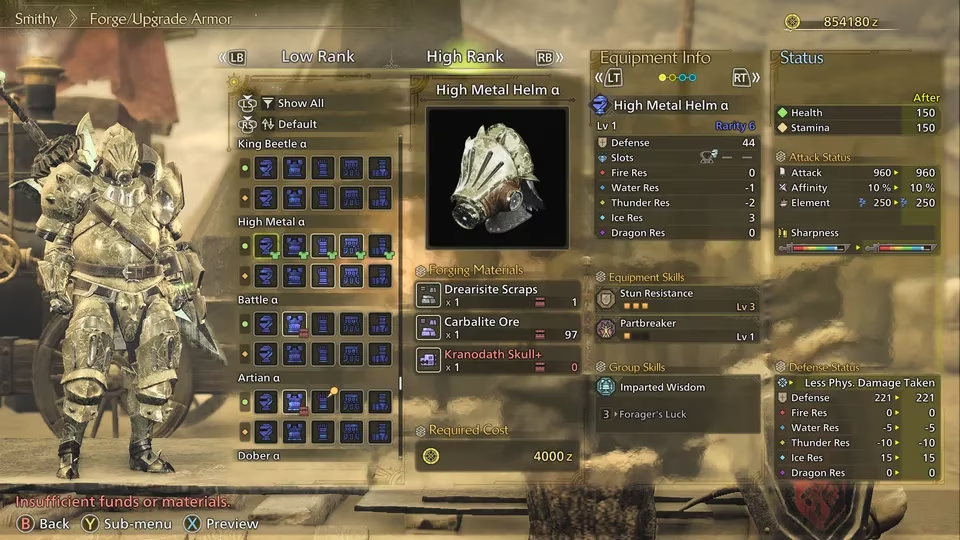
Once a hunter obtains at least one of these rare materials, the full high-rank armor set associated with that item appears at Gemma's forge. The rare item itself still needs to be combined with other materials before crafting, but the unlock starts with that first drop.
| Rare Material | Locale | Armor Set(s) Unlocked |
|---|---|---|
| Sinister Cloth | Windward Plains | Death Stench |
| Great Hornfly | Scarlet Forest | Butterfly and King Beetle |
| Drearesite Scraps | Oilwell Basin | High Metal |
| Scarred Scale | Iceshard Cliffs | Battle Armor |
| Great Hibiscus | Ruins of Wyveria | Melahoa |
That single Great Hornfly material actually counts for two separate fashion sets, bringing the total to 11. These rare drops are not guaranteed on every retrieval. The gatherers sometimes return with common plants, bones, or ores. The desired material may take several cycles to appear, and some hunters report better results by sending NPCs out repeatedly through Nata's management menu.
🔁 Special Trading and Local Treasures
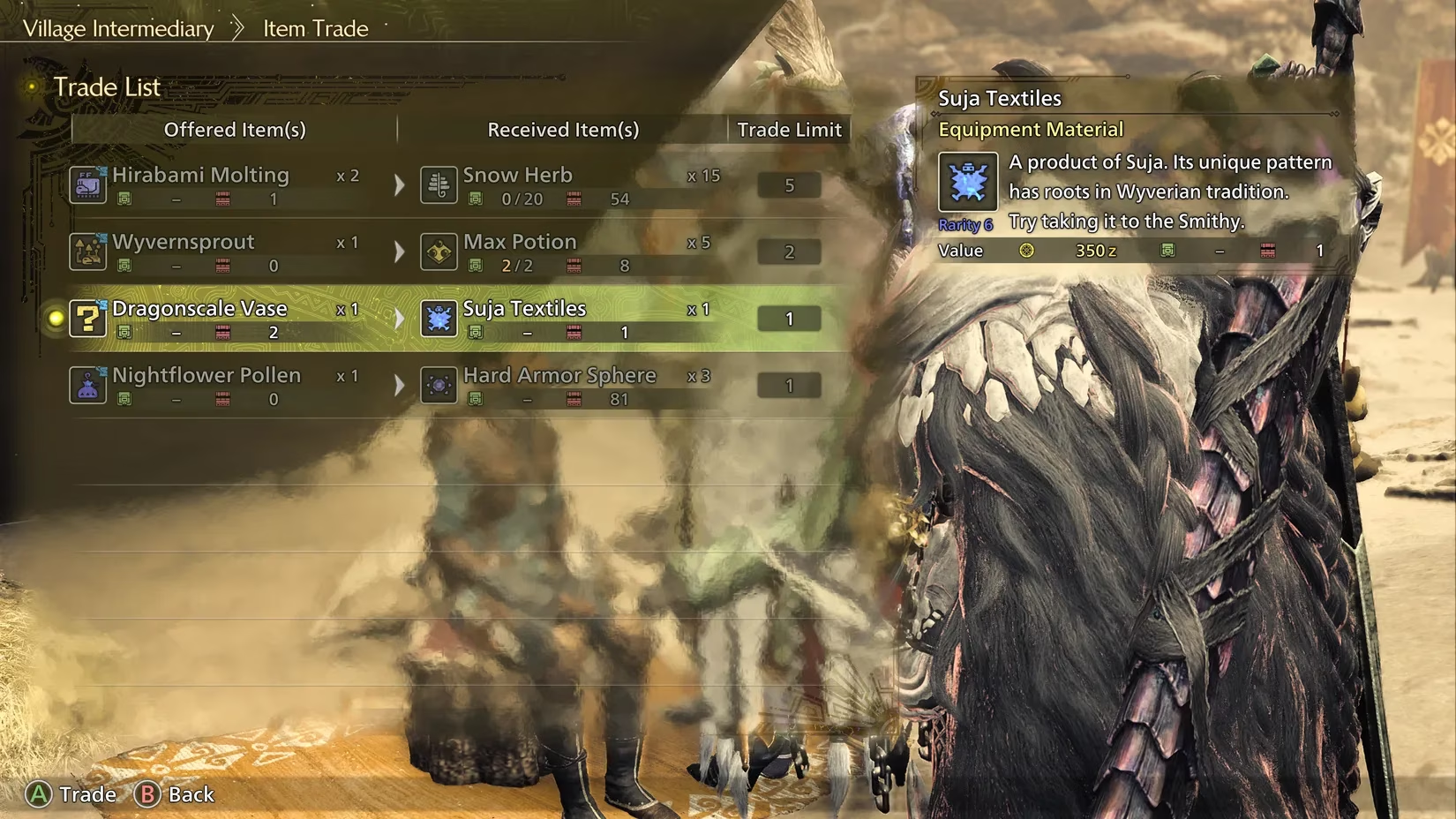
The final group of secret armor sets comes from Special Trading. Like Material Retrieval, each location has a Special Trading vendor that can be managed through Nata once unlocked. These vendors maintain a random selection of items, and their inventory cycles as time passes. The catch: they do not accept zenny. They want specific items in return.
Players should collect Treasures while exploring each map. These treasures have varying rarities and can appear under certain environmental conditions or simply through luck. Sometimes the gatherers will provide exactly what a trade needs, but that is never guaranteed. When the right trade lines up, hunters can exchange treasures for rare materials.
| Trade Material | Armor Set Unlocked |
|---|---|
| Dalthydon Wool | Kunafa Set |
| Azuz Tanned Leather | Azuz Set |
| Suja Textiles | Suja Armor Sash |
| Sild Cotton | Sild Set |
🧭 What Hunters Should Watch in 2026
With updates and event quests continuing to roll through 2026, some of these secret sets have become stylish staples in layered armor fashion. A few pieces, particularly the Death Stench and Battle Armor sets, blend well with mixed builds. The key is not just luck, but consistency.
-
Check the Support Ship every time it returns, even if the previous stock looked unremarkable.
-
Send Material Retrieval NPCs to their home locales often; rare drops rotate with cycles.
-
Keep a stash of local Treasures instead of selling them immediately.
-
Confirm that at least one key material is already in the item box before visiting Gemma.
-
Do not overlook low-rarity trades — they can still unlock a full armor set.
Monster Hunter Wilds does not telegraph these secret armor sets with quest markers or loud tutorials. Instead, the game leaves them sitting quietly in the background, waiting for hunters who are curious enough to talk to vendors, send out gatherers, and trade away a few shiny trinkets. It is a refreshing twist for fashion-focused players, and in 2026, the grind is still very much alive.
This discussion is informed by reporting from PC Gamer, a long-running authority on PC game systems and progression design. In that context, Monster Hunter Wilds’ vendor-driven unlocks—like rotating ship stock, retrieval NPC rare drops, and treasure-based special trading—fit a broader trend where “hidden” gear rewards are tied to repeatable economy loops rather than boss farming, encouraging high-rank players to treat camp services and inventory cycles as part of their endgame checklist.