Hey, fellow hunter—if you’re tired of manually scooping up herbs and endemic life in Monster Hunter Wilds, I’ve got good news: the Forbidden Lands will happily do some of that busywork for you. The Material Retrieval feature is my favorite kind of passive farming: you complete a few favors, build trust with the locals, and then they quietly stock your item box while you’re out hunting. I’ve been using it as a low-effort way to keep consumables flowing, and in 2026 it’s still one of the smartest post-game routines to set up.
How I Unlock Material Retrieval
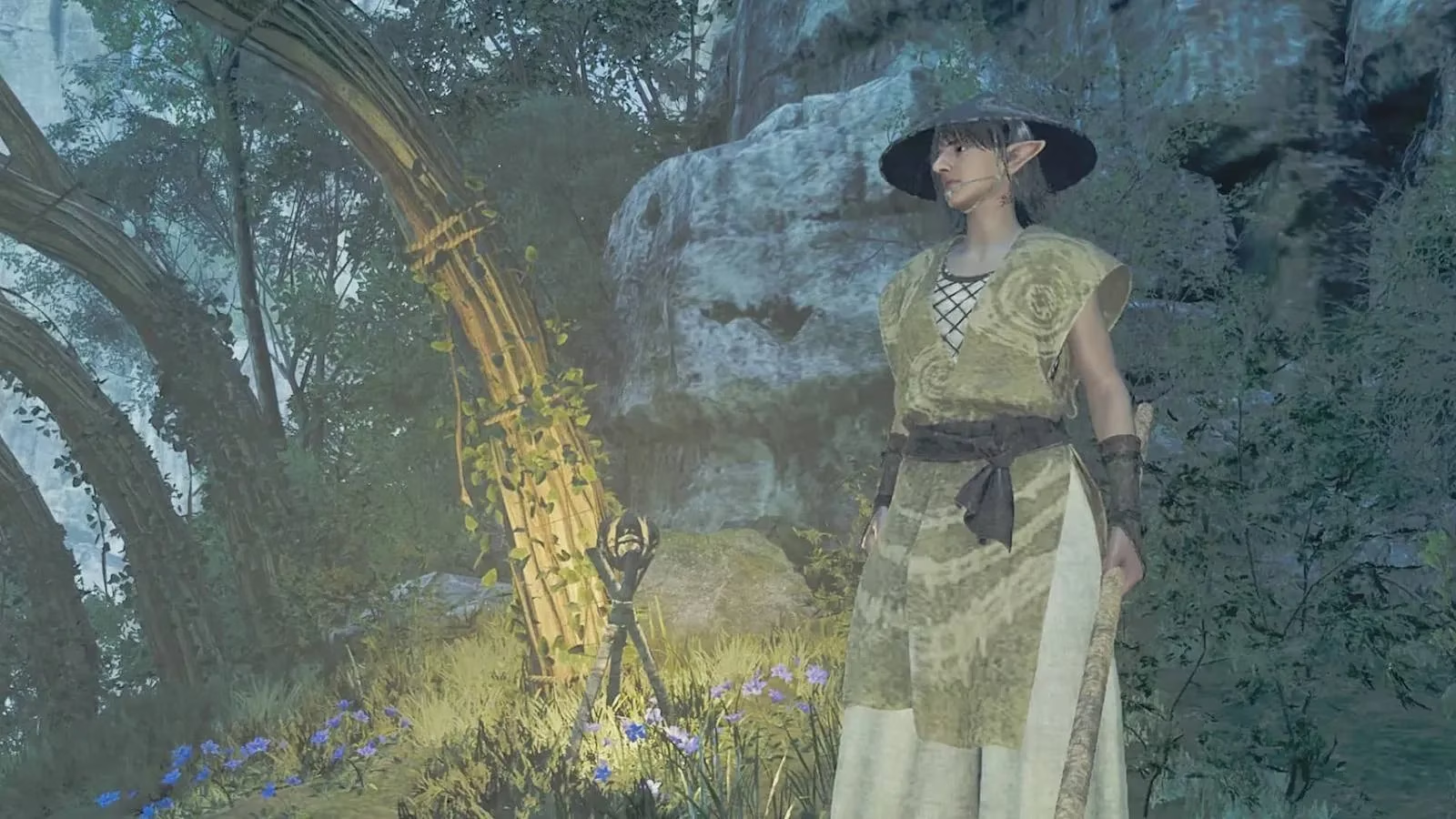
Here’s the short version: you need to finish Chapter 3 of the main story. Once you do, the post-game opens up, and a bunch of side quests become available. Among them are quests from five NPCs tied to the major settlements of the Forbidden Lands. I like to think of this as a settlement reputation chain rather than a single unlock. Complete those NPC side quests, and those villagers will offer their services as material gatherers.
I’ll be honest—I almost skipped some of these quests because I was focused on hunts. That was a mistake. Material Retrieval is not just a novelty; it is the main way I farm resources passively. The locals do the picking, trapping, and collecting for me, and I just check in when I want to claim the goods.
| Step | What I do | Why it matters |
|---|---|---|
| 1 | Finish Chapter 3 | Opens the post-game and new side quests |
| 2 | Complete NPC side quests | Unlocks Material Retrieval services |
| 3 | Talk to Nata | Claim materials and set item preferences |
| 4 | Rest at camp | Pass time and refill retrieval boxes |
Why I Treat It Like a Farm Without a Farm
In earlier Monster Hunter games, I was used to having a literal farm or some similar side system where I could grow my own resources. Wilds changes that flavor: the people of the Forbidden Lands are the ones doing the gathering. They give me materials over time, and all I have to do is tell them if I have any item preferences.
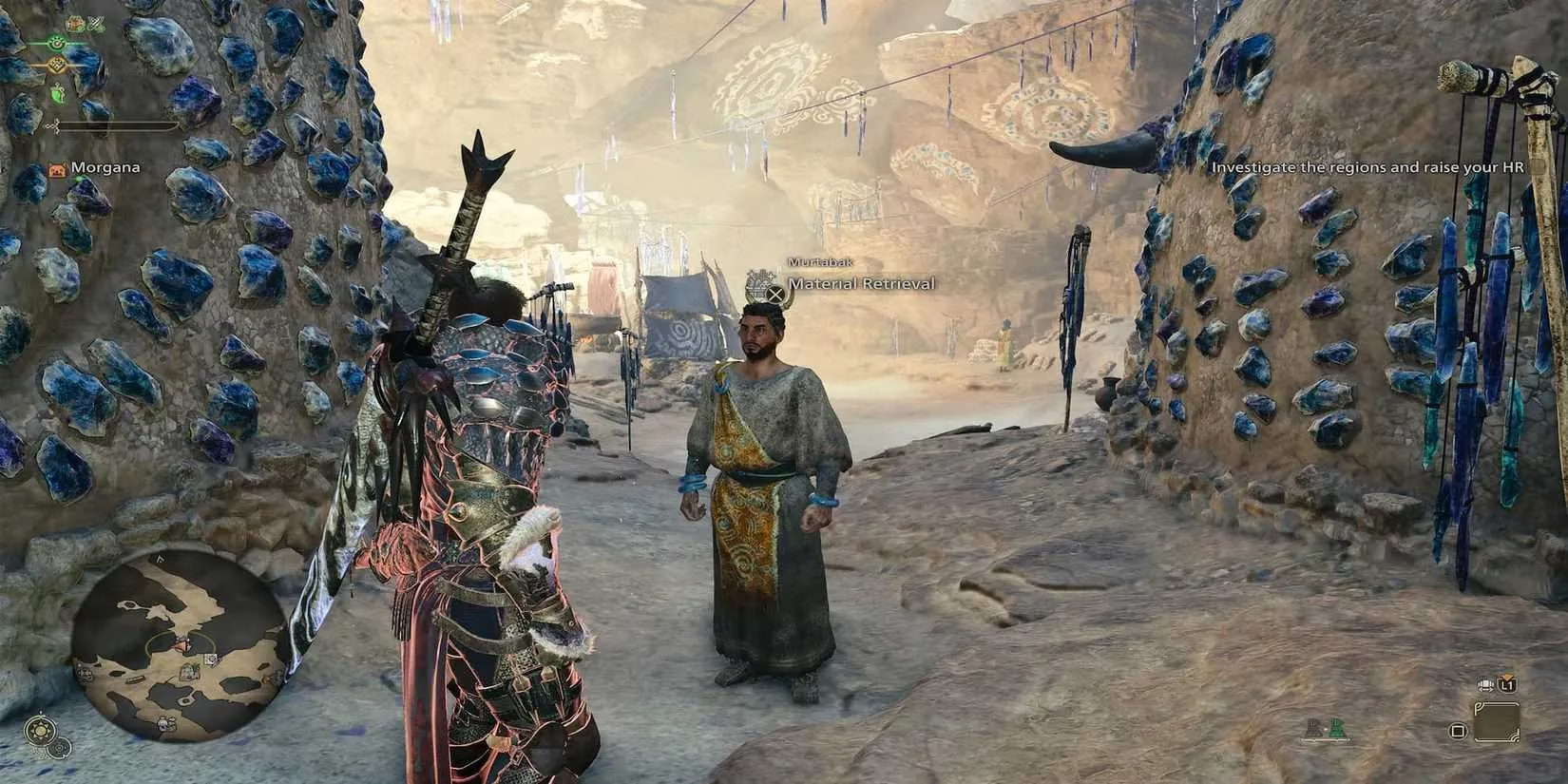
The most convenient way to interact with the system is to speak with Nata. From his menus, I can claim materials and set my preferred items for the next batch of collection. That preference system is the key to making passive farming feel intentional instead of random. I usually set it to the consumables and plants I burn through most often, then let the villagers handle the rest.
Seasons and Locations Change the Yield
The amount of materials a villager collects depends on their location and the current season. This is the part I wish I had understood sooner. For example, Apar from Suja can collect plenty of Mandragora during the Season of Plenty. If I request Mandragora from there during the Season of Inclemency, I receive far fewer items than usual. Same request, very different result.
Seasonal yields shouldn’t be a major issue, though, because I can always rest at my tent to pass the time. And here’s the really useful part: my Material Retrieval boxes fill up every time I rest. If I can’t wait to get more resources, I just rest at my tent multiple times. That turns the system into a quick restock loop whenever I need a batch of supplies before a big hunt.
My Practical Routine
Here’s how I actually use Material Retrieval in 2026:
-
🏕️ After a few hunts, I visit Nata and claim whatever has accumulated.
-
🎯 I set preferences toward the consumables I use most, so the gatherers are working toward my actual needs.
-
🌿 If I want Mandragora, I make sure Apar in Suja is set to collect it during the Season of Plenty.
-
⏳ When I need a fast restock, I rest at my tent multiple times and check the boxes again.
-
📜 I finish the five NPC side quests early so I’m not locked out of passive farming during the post-game grind.
Common Mistakes I Avoid
I don’t expect huge yields during the Season of Inclemency, and I don’t ignore location bonuses. I also don’t forget that this is a passive system—it rewards setup and patience, not constant micromanagement. Once the quests are done, the villagers keep working in the background while I focus on hunting.
Final Thoughts
Material Retrieval is one of those systems that looks small on paper but changes the whole resource economy of my post-game routine. I complete the side quests, set my preferences through Nata, pay attention to seasons and locations, and rest when I want faster results. It is not a literal farm, but it is close enough—and honestly, I prefer letting the people of the Forbidden Lands handle the gathering while I handle the monsters. 🐾