As I venture into the vast, untamed landscapes of Monster Hunter Wilds in 2026, the game's open-world nature presents a thrilling new challenge. Success isn't just about mastering my weapon; it's about mastering the terrain itself. To truly conquer these sprawling regions, I've learned that establishing a network of Pop-up Camps is absolutely essential. These aren't mere resting spots; they're strategic forward operating bases that redefine how I hunt, explore, and survive. While my hunter and their trusty companions will call out potential locations as I roam, knowing where to place my limited camps has become a critical part of my strategy. This guide is born from countless hours of exploration, helping you build an efficient and resilient camp network across all five major areas.
The Strategic Heartbeat of the Hunt: Understanding Pop-up Camps
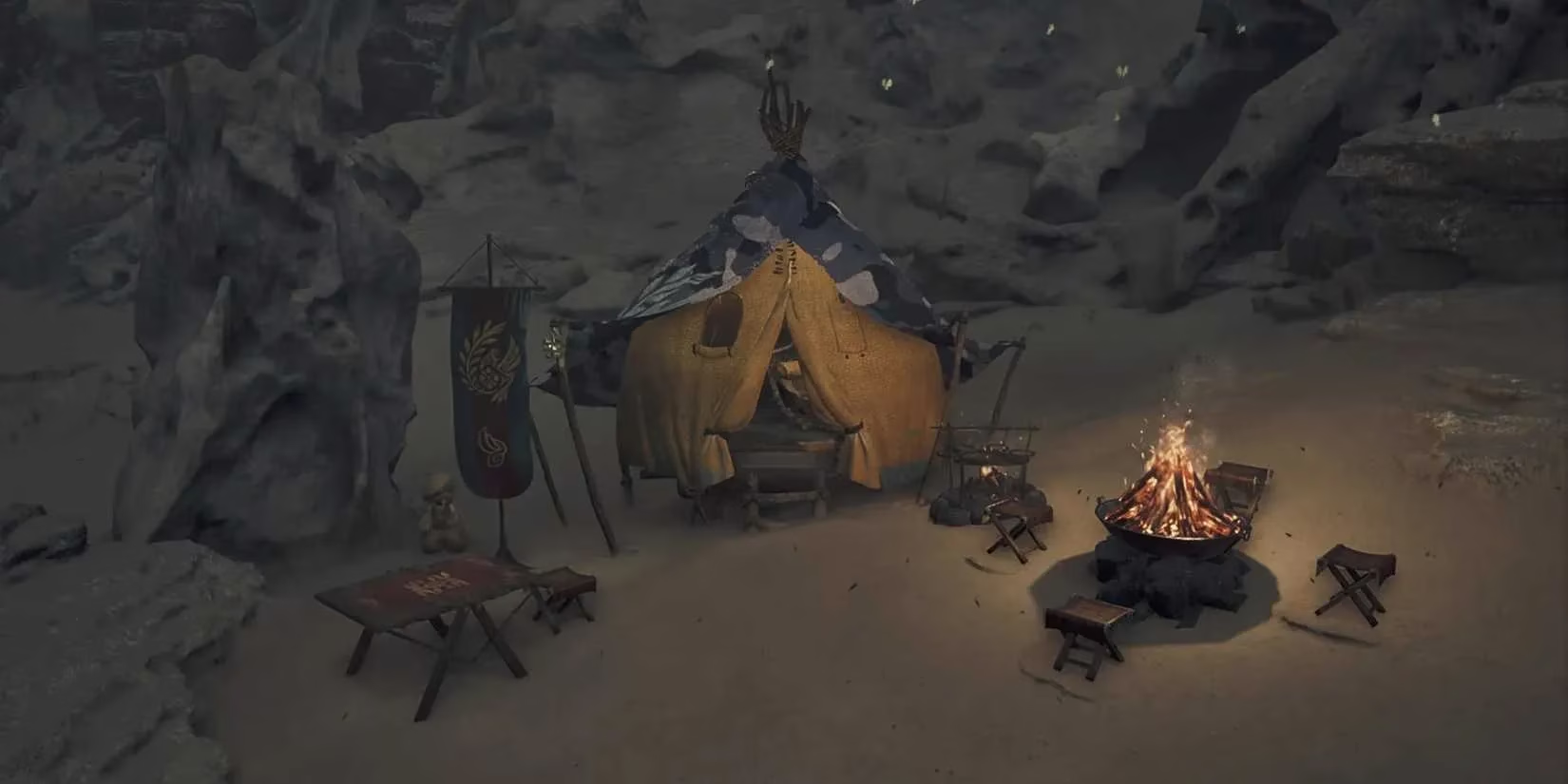
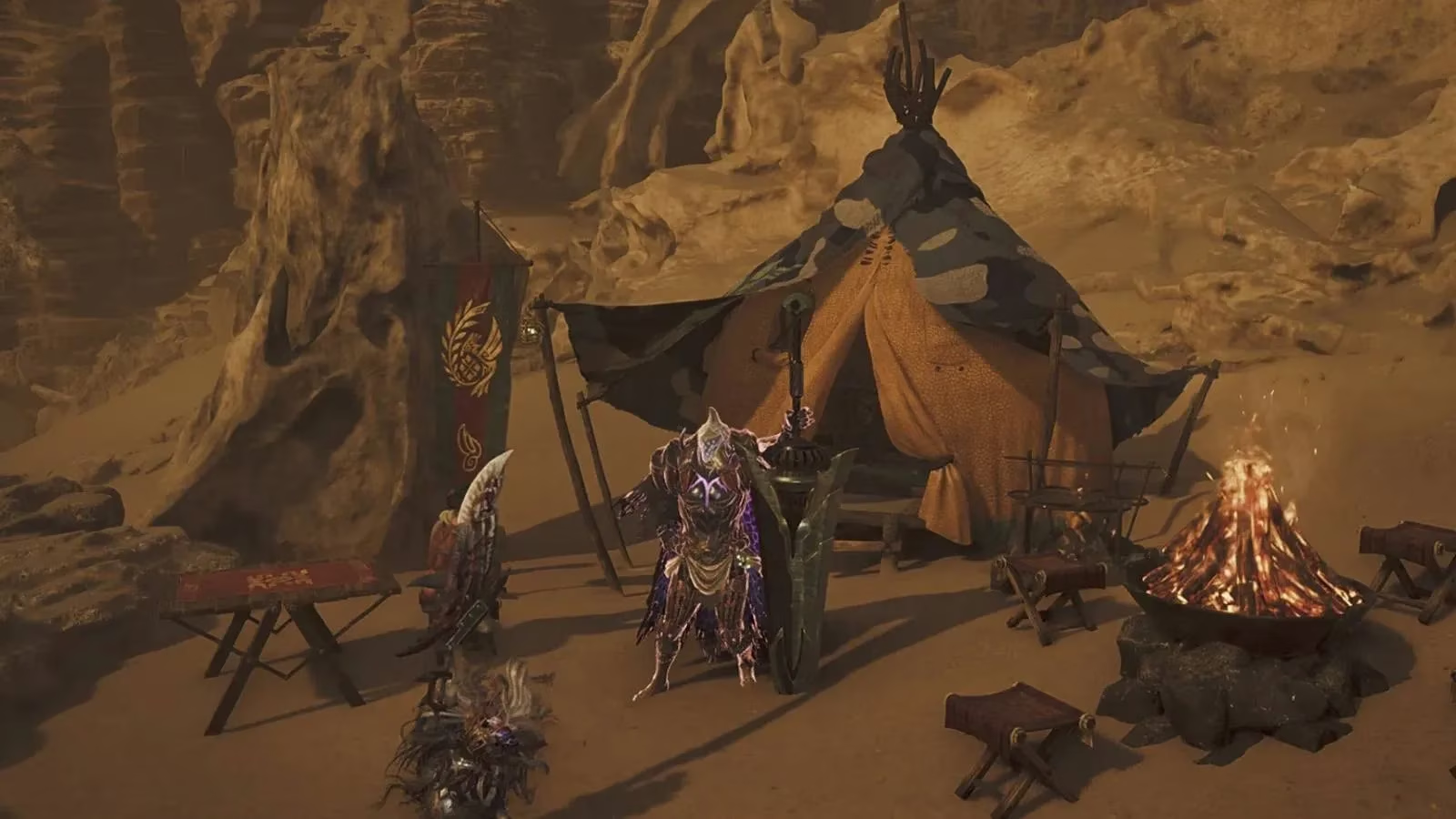
Let's break down what these camps really are. Pop-up Camps are small, deployable field bases that you can establish at specific, pre-designated locations found during exploration. Their primary function is fast travel, allowing you to zip across the map and avoid tedious backtracking. But they offer so much more! I love that I can customize my tent and the immediate area, adding a personal touch that makes each camp feel like a tiny home in the wilderness—a welcome respite from the constant monster threats.
A crucial detail to remember is the camp limit: you only get five camps per area, for a total of 25. They are a precious resource! Once you find a potential campsite location, it's permanently marked on your map, but you must choose which of the many discovered spots to actually activate. And here's the kicker—camps are not invincible. A rampaging large monster can stomp right through and destroy your hard work. This introduces the critical concept of Camp Safety Levels:
| Safety Level | Risk of Monster Attack |
|---|---|
| Safe 🟢 | Will never be attacked by Large Monsters. |
| Insecure 🟡 | Could be attacked by Large Monsters. |
| Dangerous 🔴 | Will likely be attacked by Large Monsters. |
Don't panic if a camp gets flattened! It will auto-repair after some time, or you can spend Guild Points for an instant fix. The risk just adds another layer of strategy to your placement decisions.
Prime Real Estate: Camp Location Recommendations
Not all campsites are created equal. Some are nestled in resource-rich paradises, while others... well, let's just say the view is the only thing they have going for them. Based on my experience, here are my top recommendations for each region, balancing safety, resource proximity, and strategic value.
🔥 Windward Plains: For my first camp here, I always choose the site near the central ancient tree. It's typically a Safe zone, surrounded by dense clusters of herbs, honey, and ore nodes. It provides excellent access to early-game monster spawns and serves as a perfect hub for material farming runs.
🍂 Scarlet Forest: The canopy is dense here, so elevation is key. I prioritize the campsite on the large, mossy plateau. It's often rated Insecure, but the payoff is huge: it overlooks several watering holes where monsters frequently gather, and it's a short glide away from rare forest fungi patches.
⛽ Oilwell Basin: This arid, industrial zone demands efficiency. My go-to spot is close to the active geyser fields. While sometimes marked Dangerous due to roaming Brute Wyverns, its central location between major oil seepages (a key crafting resource) and the basin's entrance saves immense travel time. Just keep an ear out for roars!
❄️ Iceshard Cliffs: Survival here is about managing the bitter cold. I always activate the camp inside the semi-sheltered ice cavern. It's a Safe haven that protects you from blizzards, is directly adjacent to hot spring zones (to cure iceblight), and has mining outcrops right at the entrance for easy fuel gathering.
🏛️ Ruins of Wyveria: This end-game area is treacherous. My number one recommendation is the campsite atop the tallest crumbling spire. It's Insecure, but it offers a panoramic view of the entire ruins, letting you scout monster movements below. It's also the closest spawn point to the rare, ancient carving materials found only in the deepest chambers.
Pro Tips for Camp Management and Mastery
Simply placing camps isn't enough. To truly master the system, I follow these core principles:
-
Exploration is Key: Before spending a single camp placement, I thoroughly explore each region. Finding all potential campsite locations unlocks an achievement and, more importantly, gives you the complete strategic picture. You can't make an informed choice if you don't know all your options!
-
Diversify Your Portfolio: Don't put all five camps in one type of location. I create a mix:
-
1-2 Resource Farms (Safe areas near clusters of ore/bones/plants).
-
1-2 Hunting Outposts (Insecure/Dangerous spots near common monster trails or nests).
-
1 Scenic/Utility Camp (Maybe near a fishing spot or with a breathtaking view for those quieter moments).
-
Embrace Customization: Just like personalizing my Palico and Siekret, decorating my camp makes the hunt feel more personal. It's not just cosmetic; a well-placed lamp or banner can make a frequently visited camp feel like a true home base, boosting my morale before a big fight. 😊
-
Stay Flexible: Remember, camps can be moved! If a particular hunt requires a different approach, I don't hesitate to travel to an existing camp and ask the ever-helpful Felyne attendant to relocate it. My network evolves with my hunting goals.
In the end, the "best" camp is the one that best supports your playstyle. These recommendations are a blueprint, a starting point forged from experience. The true joy of Monster Hunter Wilds is carving your own path through its beautiful, dangerous world. So get out there, explore every corner, and build the camp network that makes you the most efficient and formidable hunter you can be. Happy hunting!